
As energy, critical raw materials, industry, security and geopolitics become increasingly intertwined, the significance of northern Sweden is changing too. One concept recurred throughout Demo North Summit 2026 in Luleå: resilience. The region holds several of the resources Europe needs for its future competitiveness and security – but turning them into new investments requires more than raw materials and energy.
When Demo North Summit brought together around 140 business leaders, investors, decision-makers and experts in Luleå on 22 September, the perspective was broader than the major industrial investments that were at the centre when the initiative began. Today, energy, infrastructure, skills, housing, critical raw materials and security are all part of the same equation.
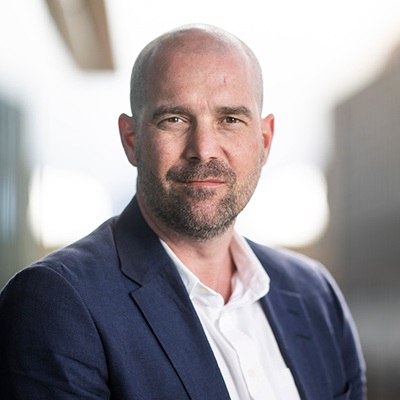
In his opening remarks, Mikael Aamisepp, CEO of Invest in Norrbotten, stressed that the development is no longer about something that might happen in the future. It is happening now.
Moderator Mattias Goldmann, CEO of the Swedish 2030 Secretariat, noted that much of what is being discussed in Stockholm and Brussels is already happening in practice in the region of Norrbotten.
– The transition is gaining new momentum, driven by a desire to be less vulnerable to dramatic events closer to home. Norrbotten is perfectly positioned to take the lead. The only requirement is that Sweden does not create significantly worse conditions for the transition than those available to competitors in their home markets.
The Arctic on the geopolitical map
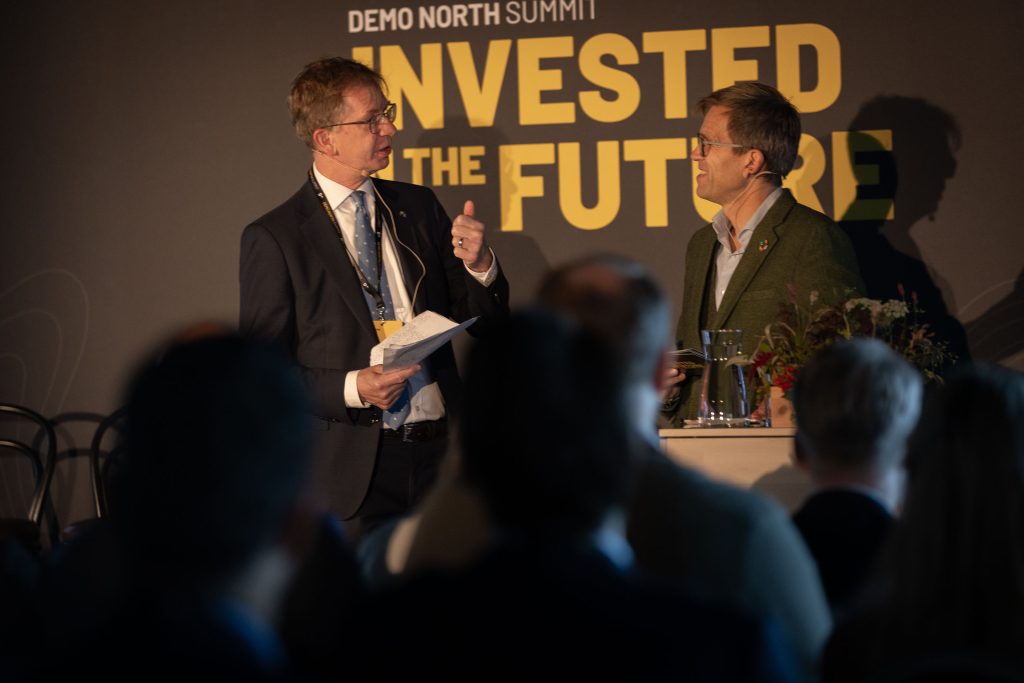
The opening speakers placed the development in a broader context. Robert Sinclair, Canada’s Ambassador to Sweden, highlighted investment in both infrastructure and communities as central to a resilient Arctic. Johan Huovinen, Lieutenant Colonel and teacher of military strategy at the Swedish Defence University, described how Sweden’s NATO membership and the changing security environment have given the Arctic greater strategic significance. Niina Aagaard, Head of Communications at the Nordic Council of Ministers, also pointed to Nordic cooperation, more robust value chains and cross-border solutions as important elements of the region’s resilience.
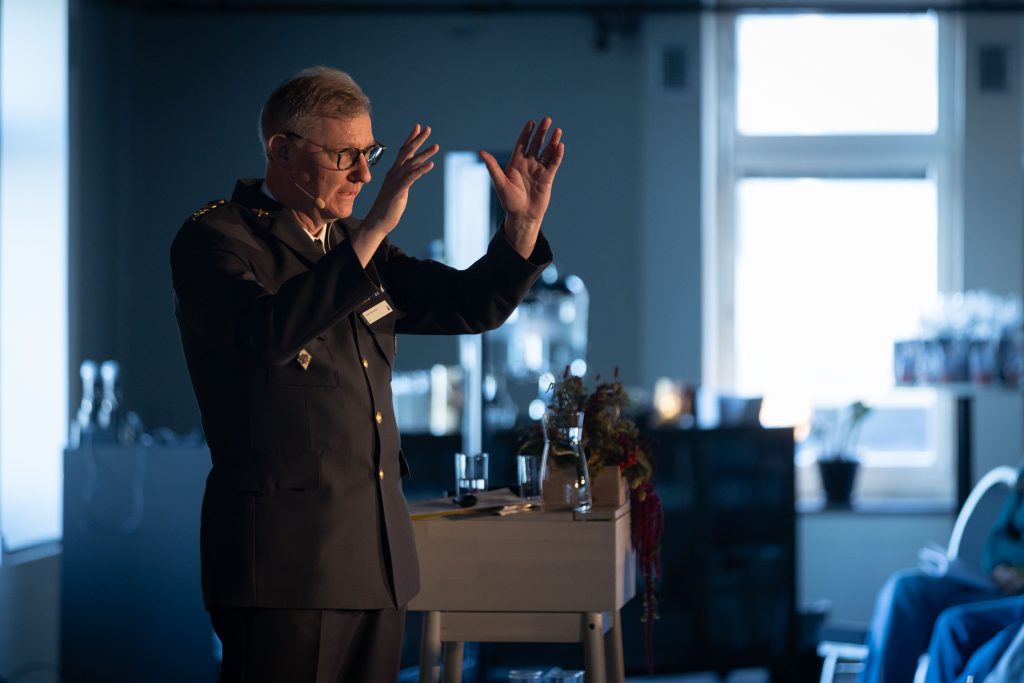
Northern Sweden’s industrial transformation therefore also needs to be understood from a security and security-of-supply perspective.
Resilience becomes an industrial issue
When industry took the stage, the same perspective returned. Mikael Nordlander, Director of Partnerships at Vattenfall, described electrification as a matter of reducing emissions, strengthening competitiveness and reducing vulnerability. Helena Norrman, EVP and Head of Group Communications at SSAB, showed how the steel industry forms part of the systems society depends on to function – from energy and transport infrastructure to buildings, vehicles and protection.
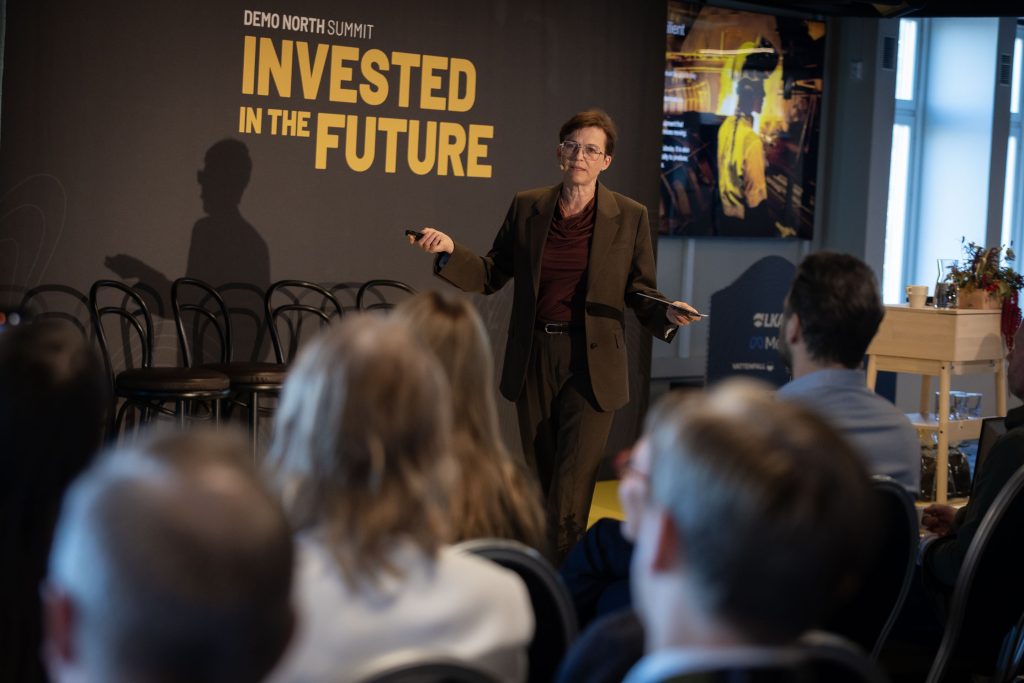
SSAB’s own transformation also shows how climate, competitiveness and resilience are becoming increasingly interconnected. But industrial resilience cannot be built by industry alone. Electricity and grid capacity, transport, skills, housing, public services and predictable permitting processes all need to function as a coherent system.
A rock that says something about Europe’s future
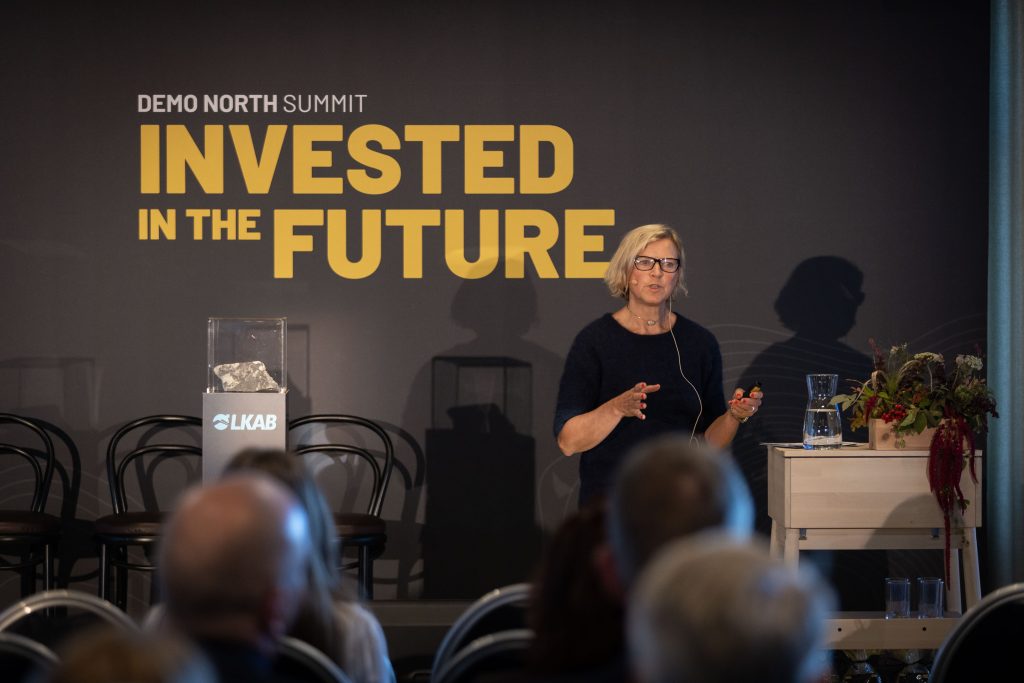
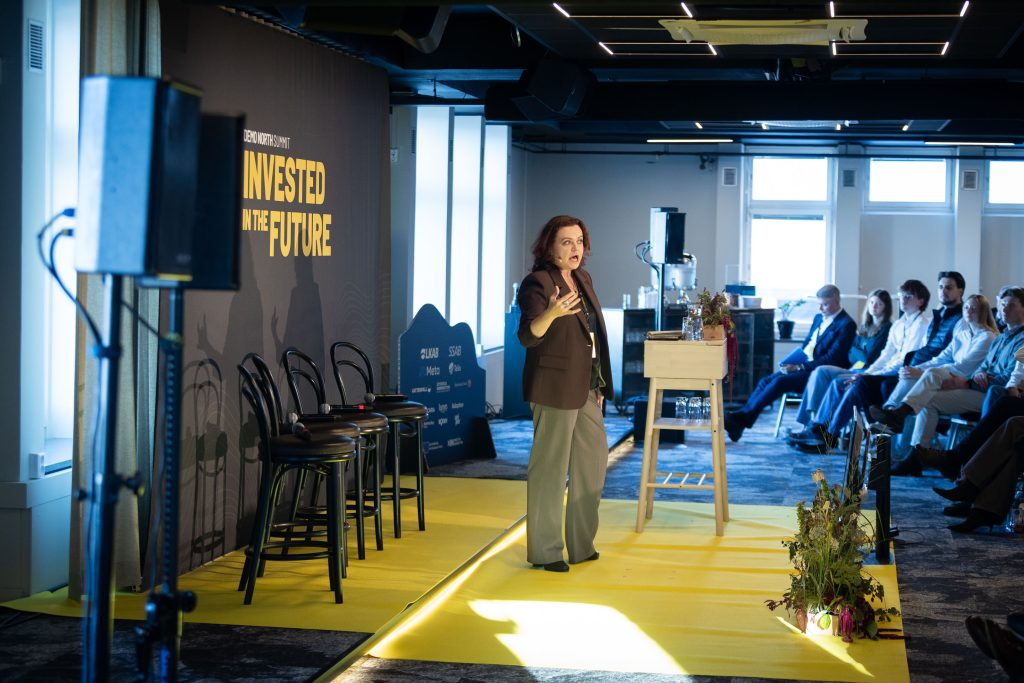
One of the day’s most tangible images came from Ulrika Håkansson, Business Manager for the Critical Minerals Project at LKAB. On stage, she placed a piece of waste rock from Malmberget on a pedestal – material that previously had no economic value, but contains raw materials that have taken on new strategic significance.
Rare earth elements are used in areas including electrification, technology and the defence industry, while phosphorus is essential to food production. At the same time, Europe is heavily dependent on imports of many critical raw materials. For LKAB, this creates an opportunity to build new value chains around material already present in its existing mining operations. In Luleå, the company is planning an industrial park for critical minerals.
The rock on stage thus became a symbol of the wider shift: assets that have long existed in northern Sweden take on a different significance as Europe seeks to reduce strategic dependencies and strengthen its own security of supply.
An investment needs a community
After lunch, the focus shifted to what is needed around the investments themselves. Aurora Village in Luleå is one concrete example. As SSAB’s transformation requires a large temporary workforce, people also need somewhere to live and a functioning life outside work. Adapteo, together with Lynra – a Strawberry Living Company, is developing a temporary village for around 2,000 people, with services, a restaurant and shared spaces.
In Kiruna, Viscaria faces the same challenge from a different angle. CEO Jörgen Olsson described how the housing shortage becomes a direct business issue when the company needs to recruit for the mine it is reopening. Housing, local partners and attractive places to live are therefore not peripheral to the industrial investment, but a prerequisite for its success.
The opportunities are there – but investments must be deliverable
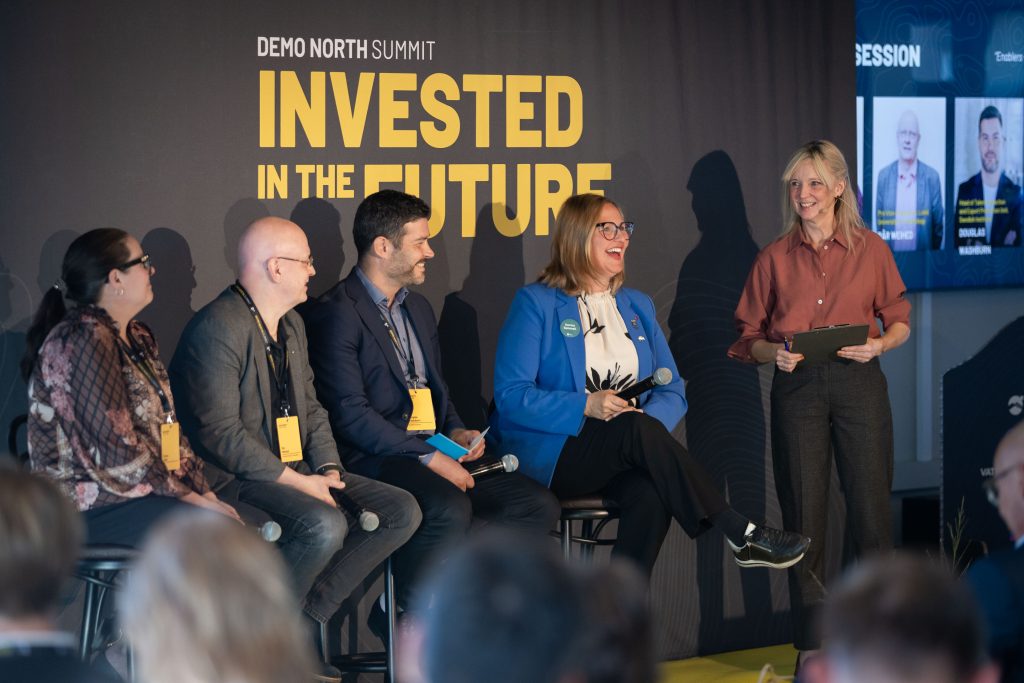
The investor panel, moderated by the Head of Investment Promotion at Business Sweden Jaani Heinonen, brought together several of the day’s themes. Representatives from the Swedish Export Credit Corporation, the Nordic Investment Bank and Region Norrbotten described a region with resources, expertise and growing opportunities in areas including energy and critical minerals. But turning those opportunities into actual investments requires a long-term perspective, functioning structures and risks that can be managed and shared.
Janus Brandin, Regional Development Director at Region Norrbotten, pointed to one of the region’s fundamental strengths: the minerals are here and cannot be moved. Around them is a base of industrial experience, research, energy and expertise needed to refine those resources. At the same time, public investment must keep pace with private investment – in railways, housing and other infrastructure.
From strategic significance to delivery
This is where the day’s different perspectives converged. Northern Sweden has long had the minerals, energy, industrial expertise and research. What has changed is the world around it – and with it, the strategic significance of these assets.
What was previously discussed primarily as a climate transition is now also about competitiveness, security of supply and security. For investors, this creates new opportunities, but also raises a broader systemic question. A mine needs a community. A steel industry needs energy and transport. New value chains need capital, skills and markets. And companies investing billions need long-term rules of the game and risks they can understand and manage.
The transformation of northern Sweden is already under way. The next step is to create the conditions for more investments to move from opportunity to delivery.
– One clear thread running through the day’s discussions was the strategic significance of northern Sweden. Investments are under way, new projects are emerging and northern Sweden is in the midst of a transformation with implications far beyond Sweden’s borders. That became very clear and is something all participants will take away, says Mikael Aamisepp, CEO of Invest in Norrbotten.
Demo North Summit continued in Boden on 23 September, where participants saw developments on the ground in areas including community development, defence, industry and infrastructure.